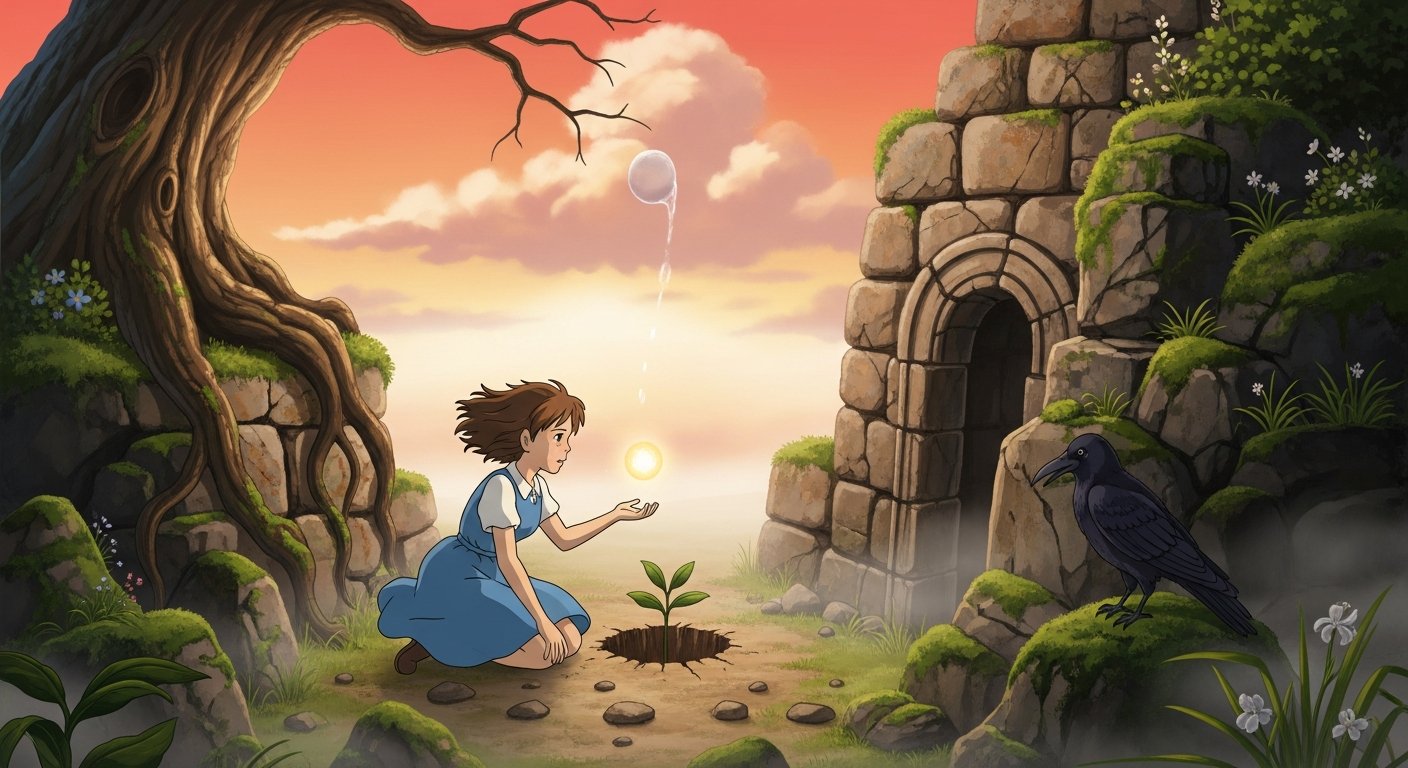
The Sycamore Gap Saga Continues: The Mystery of the "Stolen" Sapling
For centuries, the iconic Sycamore Gap tree stood as a majestic sentinel along Hadrian’s Wall in Northumberland. It was more than just a tree; it was a symbol of resilience, a star of the silver screen, and a keeper of countless human memories. When it was brutally and illegally felled in September 2023, a wave of grief swept not just across the UK, but around the entire globe.
But the drama didn't end with the fall of the giant. Just when the public began to process the loss, a new mystery sprouted from the stump: the case of the missing tribute sapling.
A Glimmer of Hope... and a Sudden Disappearance
In the weeks following the tragic felling, visitors to the empty gap were surprised and heartened to see a tiny new sycamore sapling planted right in the middle of the empty space. It felt like a poetic act of defiance—a statement that life, somehow, would find a way.
But the joy was short-lived. Within forty-eight hours, the sapling was gone.
Social media erupted. Rumors spread like wildfire. Had souvenir hunters struck again? Had the same heartless vandals returned to finish the job? Headlines quickly circulated claiming that the new Sycamore Gap sapling had been stolen in the dead of night. The public outrage was palpable, adding salt to an already open wound.
Deep Dive Analysis: Theft, or Something Else?
To understand what actually happened to the sapling, we have to look past the sensationalized headlines and dive into the complex realities of land management and heritage conservation.
As it turns out, the sapling was not stolen by a thief in the night. Instead, it was removed by the National Trust, the charity responsible for conserving the historic site. While this revelation took some wind out of the conspiracy theorists' sails, it raised a massive question: Why would conservationists remove a symbol of hope?
The deep dive into this decision reveals three critical factors:
- Archaeological Protection: Hadrian’s Wall is a highly protected UNESCO World Heritage Site. Digging into the soil to plant anything without strict archaeological supervision risks damaging ancient Roman ruins buried just beneath the surface.
- The Science of Regeneration: National Trust botanists are actively monitoring the original tree's stump. There is a strong chance the stump might "coppice"—meaning new shoots could naturally grow from the original root system. Planting a new tree too close could choke out these natural shoots and disrupt the original tree's chance at a miraculous resurrection.
- Biosecurity Risks: Rogue planting can accidentally introduce pests and diseases (like Chalara ash dieback or root rot) into an incredibly delicate ecosystem. Any new tree introduced to the site must be thoroughly vetted.
While the removal of the sapling felt cold to a grieving public, it was a necessary step to protect both the ancient history of the wall and the biological future of the Sycamore Gap itself.
Where Does Hope Stand Now?
Though the rogue sapling was removed (and safely replanted elsewhere), the future of the Sycamore Gap is far from barren.
In a secret, high-security greenhouse in Devon, horticulturists have been working miracles. Immediately after the original tree was felled, rangers rescued twigs, buds, and seeds from the canopy. Today, dozens of direct clones and seedlings are thriving under expert care.
One day, when the science is right and the heritage permits are secured, a true descendant of the legendary Sycamore Gap tree will return to its rightful home on the wall. Until then, the gap remains empty—not as a symbol of defeat, but as a space of quiet anticipation.
"The tree may be gone for now, but its legacy is growing in secret. The next chapter of Hadrian's Wall is already being written."
What are your thoughts?
Do you think the National Trust did the right thing by removing the rogue sapling, or should they have left it as a community tribute? Let us know in the comments below!