Lost in Transit, Found in Bidding: The Ultimate Guide to the Sydney Airport Auction Lost in Transit, Found in Bidding: The Ultimate Guide to the Sydney Airport Auction Ever wondered what happens to that lone designer shoe, the forgotten iPad, or the bizarre souvenir left behind at the baggage carousel? At Sydney Airport, thousands of items go unclaimed every year. But instead of gathering dust in a dark warehouse forever, these forgotten treasures find a second lease on life in one of the most exciting public events of the year: The Sydney Airport Lost Property Auction . Whether you are a seasoned bargain hunter, a tech enthusiast looking for cheap upgrades, or just someone who loves the thrill of a mystery bid, this annual event is a goldmine. Let’s dive into what makes this auction a must-watch event, what treasures you can find, and how you can walk away with a premium steal. What is the Sydney Airport Auction? Every year, Sydney Airport pa...
The Rise of Jan Paul van Hecke: Brighton’s Dutch Defensive Mastermind In the fast-paced, high-stakes world of the Premier League, finding a central defender who combines old-school grit with modern technical elegance is like finding gold. For Brighton & Hove Albion, that gold comes in the shape of a 24-year-old Dutchman: Jan Paul van Hecke . Once a low-profile signing from NAC Breda, Van Hecke has quietly transformed himself into one of the most reliable and exciting young defenders in English football. But how did he get here, and what makes him so special? Let’s take a closer look at the meteoric rise of Brighton's defensive anchor. --- From Arnemuiden to the Amex: The Journey Born in the small Dutch town of Arnemuiden, Van Hecke’s footballing journey wasn't handed to him on a silver platter. He started his professional career at NAC Breda in the Eerste Divisie. His raw talent was immediately obvious, catching the eagle eyes of Brighton’s world-renowned scouting ...
The Untouchable King of Football: Inside Gianni Infantino’s Unstoppable Reign as FIFA President
GoInfoGuide
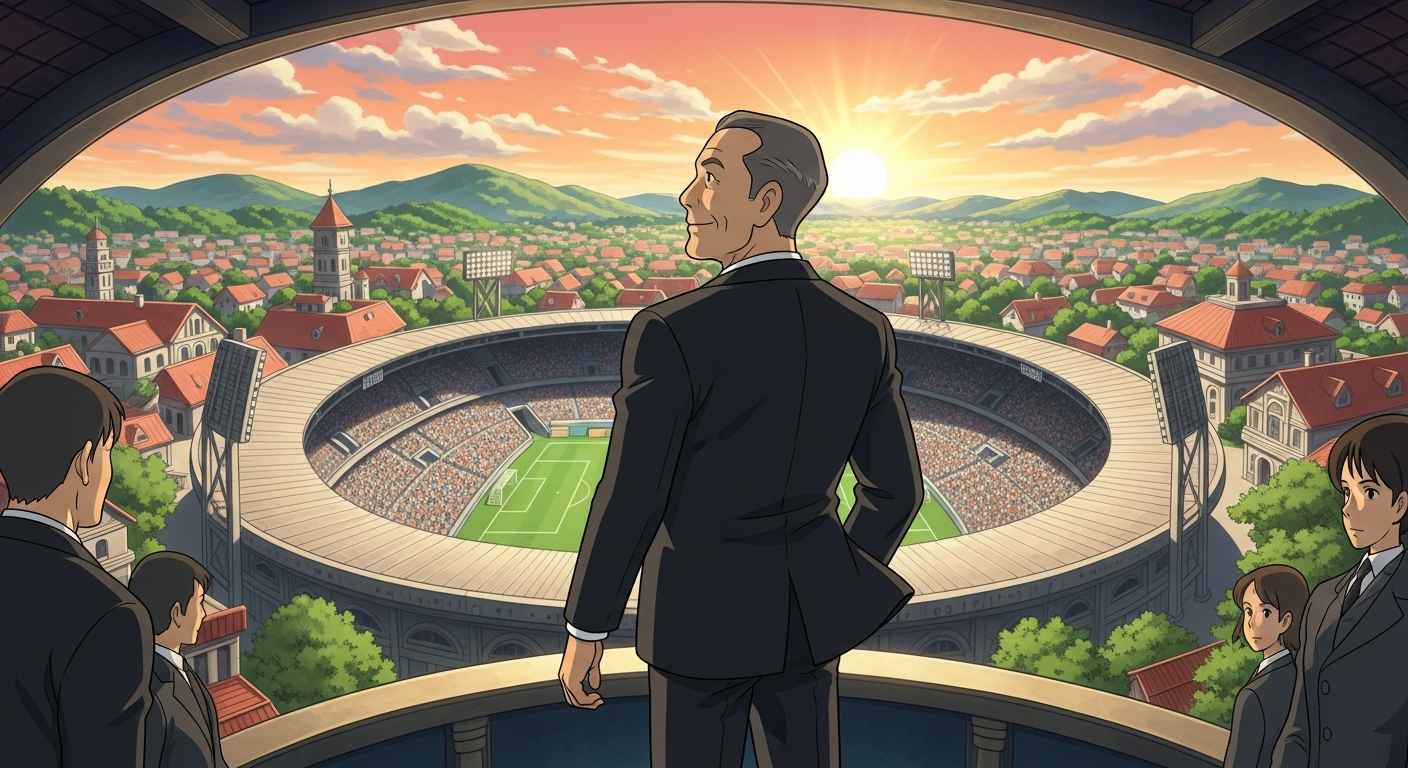
The Puppet Master of World Football: Inside the Power of the FIFA President
The Puppet Master of World Football: Inside the Power of the FIFA President
Published by the Football Chronicles Editorial Team
Imagine a job where you are greeted like a head of state, command an audience of billions, control a war chest of billions of dollars, and hold the keys to the single most coveted sporting event on Earth. No, you aren’t the President of the United States or the Secretary-General of the United Nations.
You are the FIFA President.
Often described as the most powerful figure in sports, the President of the Fédération Internationale de Football Association (FIFA) sits at the absolute apex of global soccer. But how did a role that started in 1904 as a modest administrative position transform into a seat of immense geopolitical and financial power? Let’s dive into the history, the politics, and the sheer influence of the person holding the gavel at soccer's highest governing body.
From Humble Beginnings to Global Empires
In the early 20th century, FIFA was run by European gentlemen organizing amateur tournaments. The first president, Robert Guérin of France, oversaw an organization that could barely pay its postage stamps.
The true transformation of the presidency occurred under two men:
João Havelange (1974–1998): The Brazilian visionary who realized that football was a goldmine. Havelange industrialized the World Cup, bringing in massive corporate sponsors like Coca-Cola and Adidas, and expanding the tournament's global footprint.
Sepp Blatter (1998–2015): Havelange’s protégé, who turned FIFA into a diplomatic juggernaut. Under Blatter, the World Cup went to Asia (2002) and Africa (2010), cementing FIFA’s influence in developing nations. However, his reign ended in a dramatic 2015 corruption scandal that shook the sports world to its core.
Today, Gianni Infantino holds the mantle. He has steered FIFA into a new era of expansion—introducing a 48-team World Cup and a massive 32-team Club World Cup—proving that the appetite for growth (and revenue) remains insatiable.
Deep Dive Analysis: How to Rule World Football
To understand the power of the FIFA President, one must understand how they are elected. Unlike traditional political democracies, FIFA operates on a strict "One Nation, One Vote" system.
"Montserrat, an island in the Caribbean with a population of 5,000, has the exact same voting power as Brazil, a nation of 214 million and five-time World Cup champions."
This democratic leveling is the secret to a FIFA President's longevity. By funneling millions of dollars in development grants (through programs like FIFA Forward) to smaller member associations in Africa, the Caribbean, Oceania, and Asia, a president can secure a loyal voting bloc that guarantees re-election, regardless of how the traditional European powerhouse nations feel.
The Geopolitical Soft Power
The FIFA President does not just interact with sports ministers; they deal directly with presidents, prime ministers, and monarchs. Hosting a World Cup can redefine a nation's global image (as seen with Qatar in 2022 and Russia in 2018). Consequently, the FIFA President wields a unique brand of soft power. They can bypass traditional diplomatic channels, commanding the attention of world leaders who are eager to bask in the reflected glory of the beautiful game.
The Financial Empire
Under the current presidency, FIFA's revenues have reached historic highs, projected to eclipse $11 billion for the 2023-2026 cycle. Controlling the distribution of this wealth gives the president unparalleled leverage. Whether funding new stadiums in developing nations or launching global digital platforms, the president's pen controls the destiny of football associations worldwide.
The Storms on the Horizon
Holding the crown is never easy. The modern FIFA President faces a rapidly fracturing landscape:
The Battle with Europe (UEFA): European club football holds the world's best players and the most lucrative leagues. UEFA and elite clubs frequently clash with the FIFA President over player calendar congestion and competing tournament formats.
Human Rights and Ethics: As sports washing becomes a major geopolitical tool, the FIFA President is constantly under scrutiny regarding labor rights, gender equality, and political neutrality.
The Evolution of Media: Shifting broadcast landscapes and the rise of streaming mean FIFA must constantly innovate to capture the attention of Gen Z and Gen Alpha.
Conclusion: The Ultimate Diplomat
Ultimately, being the FIFA President requires a unique blend of corporate CEO, international diplomat, and ruthless politician. It is a role that commands the passion of four billion fans worldwide. As football continues to grow, the shadow cast by the person sitting in the presidential suite in Zurich will only grow larger, shaping culture, politics, and society for generations to come.
What do you think?
Is the FIFA President too powerful, or is a strong leader necessary to keep the global game unified? Let us know your thoughts in the comments below!
إرسال تعليق
Cookie Consent
We serve cookies on this site to analyze traffic, remember your preferences, and optimize your experience.
It seems there is something wrong with your internet connection. Please connect to the internet and start browsing again.
AdBlock Detected!
We have detected that you are using adblocking plugin in your browser. The revenue we earn by the advertisements is used to manage this website, we request you to whitelist our website in your adblocking plugin.
Site is Blocked
Sorry! This site is not available in your country.