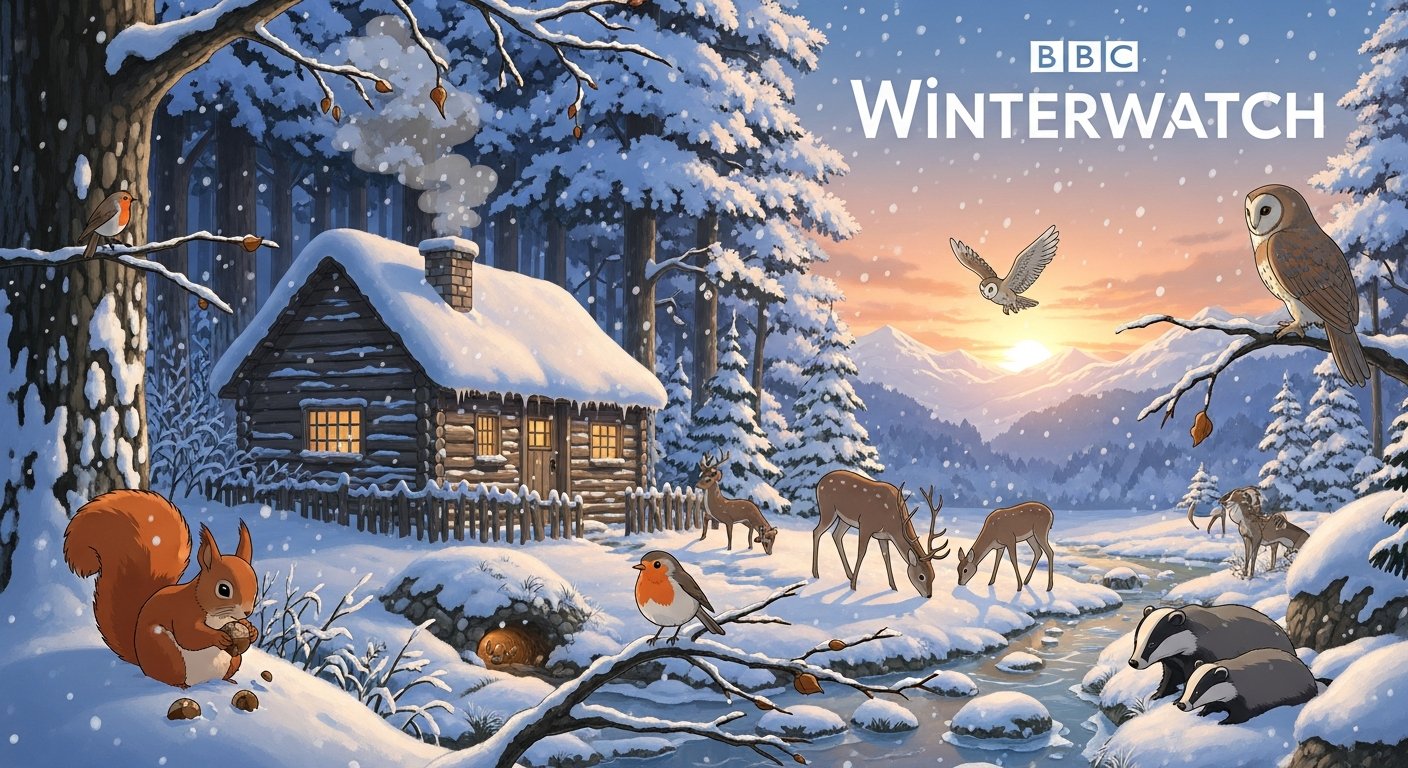
Embracing the Chill: Why BBC Winterwatch is the Ultimate Cozy TV Highlight of the Season
As the days grow shorter, the air turns crisp, and a frosty blanket settles over the British landscape, many of us retreat indoors, seeking warmth and comfort. But while we huddle under blankets with mugs of hot cocoa, a spectacular drama is unfolding just outside our windows.
For nature lovers, there is one annual event that makes the freezing temperatures not just bearable, but absolutely thrilling: BBC Winterwatch.
Serving as a warm, crackling fireplace of a television show, Winterwatch brings the raw, unfiltered beauty of British wildlife in winter straight into our living rooms. Let’s dive into why this show has captured the hearts of millions and why it remains essential viewing every January.
---
The Magic of the "Watch" Family
What makes Winterwatch (alongside its siblings Springwatch and Autumnwatch) so special is its unique blend of live broadcasting, cutting-edge technology, and passionate storytelling. Hosted by the beloved team of Chris Packham, Michaela Strachan, Iolo Williams, and Gillian Burke, the show feels less like a polished documentary and more like a catch-up with old friends who happen to be world-class naturalists.
Whether they are broadcasting from the windswept Highlands of Scotland or the rugged coastlines of Wales, the presenters bring an infectious enthusiasm. They don't just report on nature; they feel it. When a rare bird of prey swoops into view, or a family of badgers emerges into the freezing night, their genuine excitement mirrors our own.
---
Deep Dive Analysis: The Science and Survival of Winter
While summer is a time of abundance, winter is a story of survival. This is where the deep appeal of Winterwatch lies. The show offers a masterclass in adaptation, showing us how the UK's flora and fauna navigate the harshest months of the year.
During this season, every calorie counts. The show’s production team utilizes state-of-the-art technology to reveal behaviors that happen entirely in the dark. Through the use of ultra-low-light cameras, thermal imaging, and remote nest-cam networks, Winterwatch shines a light on a hidden world. We get to analyze:
- Thermal Tactics: How tiny birds like goldcrests and blue tits huddle together in roosts to share body heat, losing up to 10% of their body weight overnight just to stay warm.
- The Predator-Prey Dance: How owls and raptors use their acute hearing to locate small rodents moving beneath layers of snow or thick frost.
- Winter Dormancy: The physiological wonders of torpor and hibernation, exploring how hedgehogs and insects suspend their life processes to wait out the cold.
By focusing on these micro-narratives, the show teaches us that winter is not a dead season, but a quiet, fiercely active period of resilience. It reminds us that beneath the bleak, frozen surface, life is tenaciously holding on, waiting for the spark of spring.
---
How to Bring the 'Winterwatch' Spirit into Your Own Garden
One of the best things about Winterwatch is that it inspire us to get involved. You don’t need to be in the Scottish Highlands to experience the magic of winter wildlife. Here are a few simple ways you can help the creatures in your own backyard this winter, as recommended by the show:
1. Keep the Water Flowing
Finding fresh, unfrozen water is one of the biggest challenges for birds in winter. Keep a birdbath or a shallow dish of water topped up, and check daily to break any ice that has formed.
2. Serve Up High-Fat Foods
Birds need high-energy foods to maintain their body temperature. Put out fat balls, suet blocks, sunflower hearts, and mealworms. Avoid cheap seed mixes filled with "bulker" grains like wheat, which small birds can't easily digest.
3. Leave It a Little Wild
Resist the urge to tidy up your garden. Dead flower stalks, piles of fallen leaves, and log heaps provide vital shelter for hibernating insects, frogs, and small mammals.
---
Final Thoughts: A Tonic for the Winter Blues
In a world that can often feel fast-paced and overwhelming, BBC Winterwatch offers a much-needed moment to slow down and breathe. It connects us to the ancient, steady rhythms of the natural world. It proves that even in the coldest, darkest times, there is beauty, warmth, and hope to be found.
So, grab your blanket, brew your favorite hot drink, and tune in. Nature is putting on a show, and you have a front-row seat.